BIOPAC Home More Main Categories of Products

Overview of data acquisition and analysis systems for research

Biopac Student Lab overview

New! Biopac Science Lab for secondary education

Product releases

Announcements & Product Updates

Events
 
Research  Electrodes  Ag-AgCl Reusable  

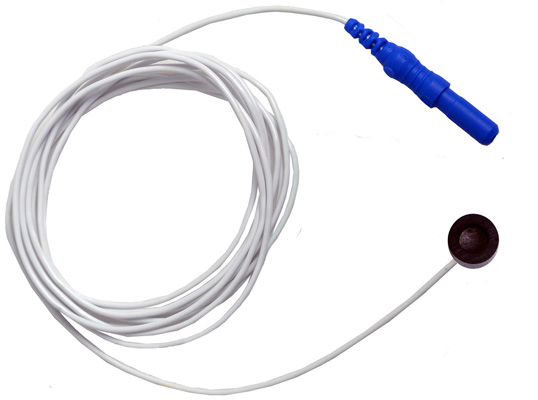
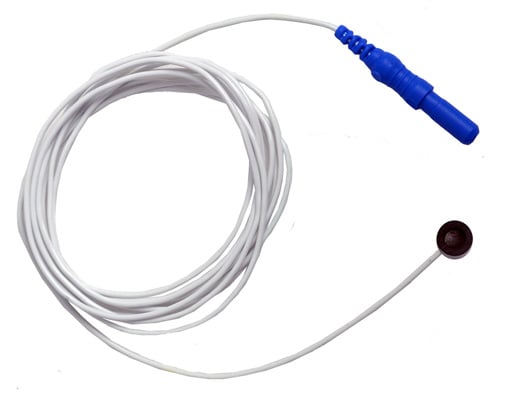
AG-AGCL 8MM TP ELECT., UNSHLD - EL258

For Estimate or Purchase
Request Information
$35.00
Ag-AgCl 8mm TP elect., unshld

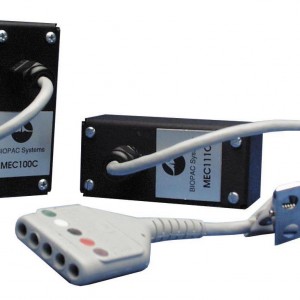
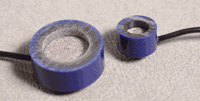
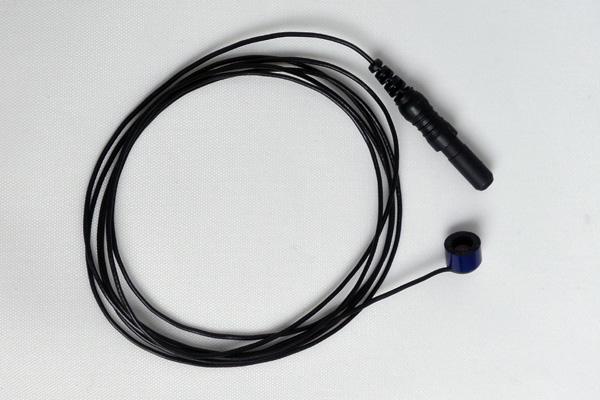
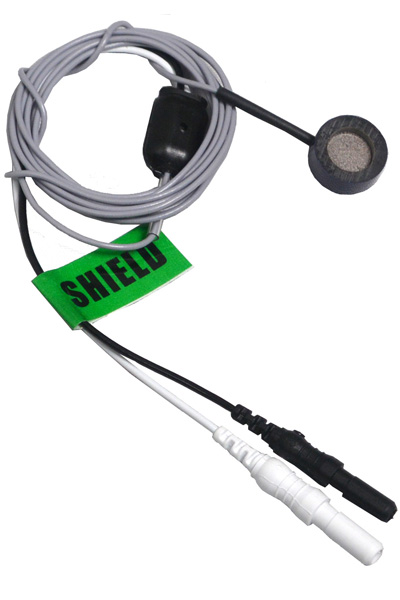
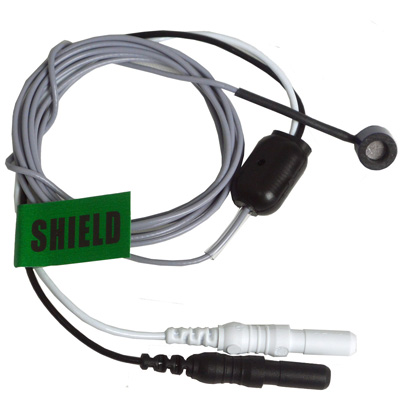
Silver-silver chloride (Ag-AgCl) electrodes provide accurate and clear transmission of surface biopotentials. Reusable electrodes are permanently connected to robust and pliable leadwires (1 mm OD). The leadwires terminate in standard Touchproof connectors for interfacing to 100C series Biopotential modules or Module Extension Cables. Unshielded electrodes terminate in a single Touchproof connector. Shielded electrodes terminate in two Touchproof connectors, one connects to the Ag-AgCl disk and the other connects to the leadwire shield.
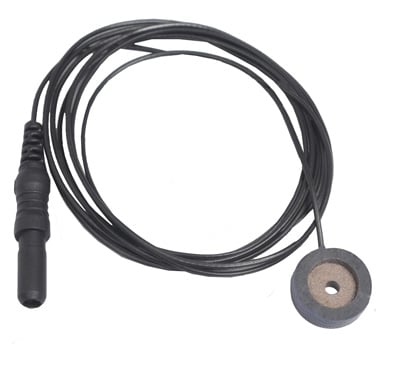
For best signal performance use shielded electrodes (EL254S or EL258S) as recording electrodes and unshielded electrodes (EL254 or EL258) as ground or reference electrodes. For ease of setup, use the EL258H for both recording and reference electrodes (useful for EEG monitoring). When recording from subjects in MRI or X-ray based environments, see BIOPAC MRI Guidelines and use the EL254RT or EL258RT for the recording and reference electrodes; these electrodes employ carbon fiber leadwire for superior radiotranslucent performance.

Use reusable electrodes with:

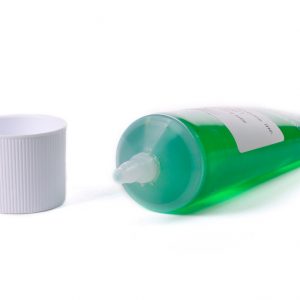
  • GEL103 conductive adhesive gel
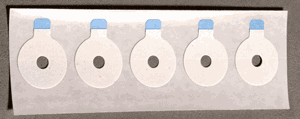
  • or see Electode Accessories for adhesive collars and other gels

Generally, for each Biopotential amplifier module, two EL254S or EL258S and one EL254 or EL258 are required. For radio-translucent requirements, use three of the EL254RT or EL258RT with each Biopotential module.

Use these lead electrodes when closely spaced biopotentials are required. The EL254 is unshielded and the EL254S is shielded. The EL254RT is a radiotranslucent version of the EL254.

CBL201 required for connection to 100A or 100B-series amplifiers.


Click here to find more information on Research Click here for more information on Education